

welcome to pentify
BLOG SPACE
Stay updated with fresh thinking from Pentify. We share real-world experiences, simple frameworks, and clear guidance to help organisations use data better—without the jargon. Whether you’re building strategy, improving operations, or levelling up your skills, this is your space to learn and explore.
FROM OUR CATEGORIES
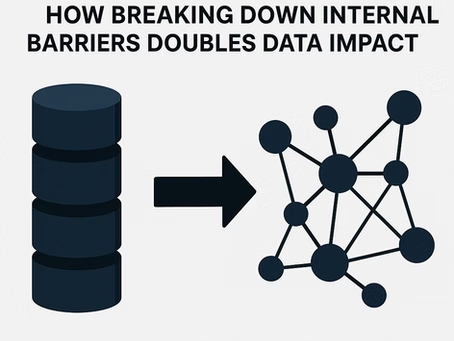
From Silo to Symphony: How Breaking Down Internal Barriers Doubles Data Impact
Most organisations say they want to be data driven, but many never reach it. The biggest barrier is not technology. It is the walls inside the business.
Departments use different tools, collect their own metrics and protect their own data. The result is silos that limit collaboration and weaken insight. When those silos fall, something powerful happens. Teams align, insights connect, and data impact multiplies.
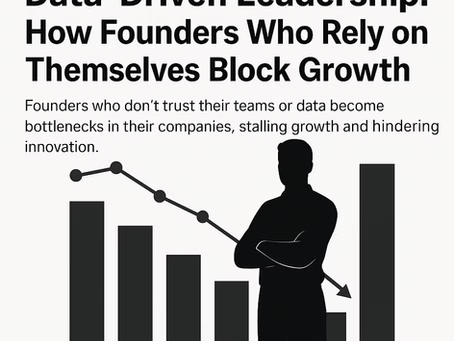
Data-Driven Leadership: How Founders Who Rely Only on Themselves Block Growth
Most founders start their companies with a clear vision, an intense work ethic, and a deep belief that no one else can do things quite like they can. That confidence is often what gets a startup off the ground. But when that mindset doesn’t evolve, it quietly becomes a growth killer.
Why Your ‘Fast-Growth’ Business is Actually Fragile: The Hidden Data Fault Lines
On the surface, everything looks great. Revenue is climbing. New customers are signing up. Your team is expanding. Investors are circling. You’re in the middle of what every founder dreams of – rapid growth.
But under the hood, it’s a different story. Systems don’t talk to each other. Reports don’t match. Decisions are reactive. And no one really trusts the numbers.
If that sounds familiar, you’re not alone. What looks like fast growth can actually be hiding a fragile foundation. The cracks are in your data. And left unchecked, they will cost you.
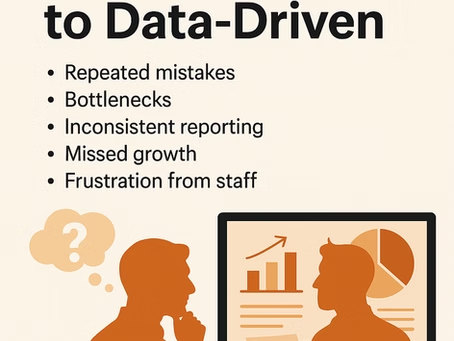
From Gut Feel to Data-Driven: 5 Signs It’s Time to Change Your Decision-Making Model
In the early days of running a business, gut feel plays a huge role. It’s fast, cheap and often good enough to keep things moving. But when your business grows and complexity increases, relying on instinct alone becomes a liability.
Gut feel is based on experience, intuition, and often emotion. There’s nothing inherently wrong with that, but in a fast-paced environment with more people, systems, and stakes, it can lead you in the wrong direction. A data-driven decision-making model, on the other hand, grounds business choices in facts, patterns, and real-world performance.
So, how do you know when it's time to change?
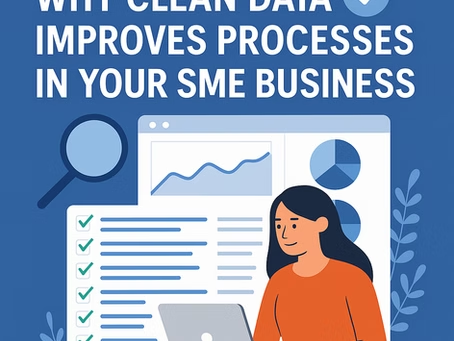
Why Clean Data is the Hidden Driver of SME Success
Most small and medium businesses in Australia are held back by a problem they cannot see. It is not lack of clients or even lack of funding. It is bad data.
Duplicate contacts in the CRM. Mismatched product codes in the finance system. Sales teams using different definitions of “qualified lead.” None of these issues make the front page of the P&L, but together they slow decisions, confuse staff, and frustrate customers.
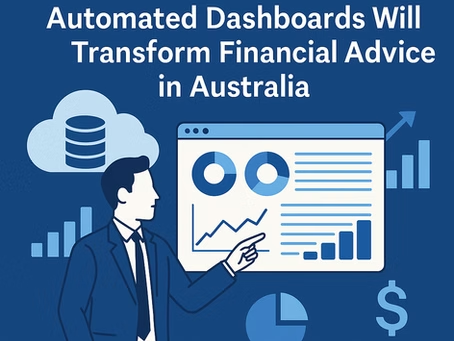
How Data as a Service and Automated Dashboards Will Transform Financial Advice in Australia
Introduction: Why Advisors Cannot Afford to Stay Manual
Financial advice in Australia is at a crossroads. Compliance requirements continue to grow, client expectations are higher than ever, and technology is reshaping the way advice is delivered. Yet many advisory firms still rely on static reports, manual Excel spreadsheets, and fragmented data systems.
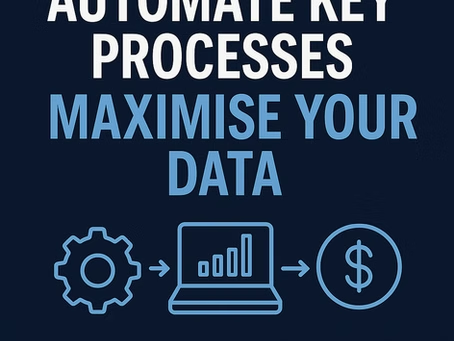
Automate to Elevate: How SMEs Can Unlock Efficiency with Data-Driven Process Automation
Small and medium-sized enterprises (SMEs) and mid-market companies are under more pressure than ever. Rising costs, increased competition, tighter margins. The path to growth isn’t just about working harder. It’s about working smarter. And that starts with data.
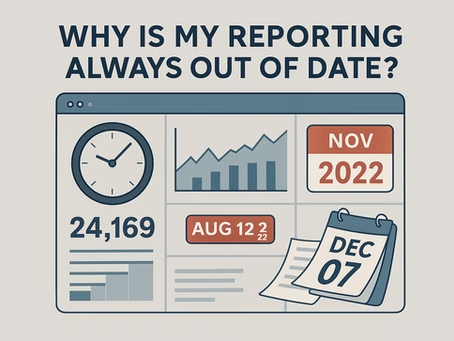
Why Is My Reporting Always Out of Date?
In today’s fast-paced business world, timely information drives confident decisions. Yet many teams still rely on reports that lag behind reality. You log into your dashboard only to find last week’s figures. Your team chases down data from scattered spreadsheets. You wonder: why is my reporting always out of date?

Why Financial Advisors in Australia Must Uplift Their Data and Analytics Capabilities
Are you still relying on instincts and gut feel to guide your clients’ wealth? Meanwhile your competition is harnessing data analytics as a secret weapon. The Australian financial advice industry has seen a 43 percent decline in practising advisers since 2018, creating a gap between demand and supply that data-savvy firms can exploit. Clients expect customised insights in real time instead of generic recommendations. Yet many advisors still treat data as a byproduct rather than a strategic asset. This complacency could cost firms dearly as fintech challengers seize the advantage through data-driven decision making AdviserVoice.
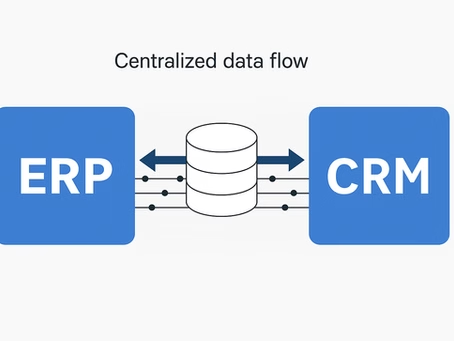
Why Your ERP Really Needs a CRM Integration
If your ERP and CRM systems are not integrated you are already losing ground. For mid‑market business owners this oversight means your teams are working from conflicting information, your customers see second-rate service and your strategy suffers. This article lays out clear proof that integrating ERP with CRM is a strategic necessity, not just tech talk.
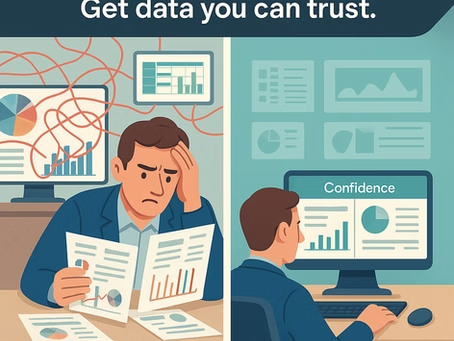
Why Mid-Sized Businesses in Melbourne Are Losing the Data Game, And How to Win It
Let’s start with a blunt truth: most mid-sized businesses in Melbourne are sitting on mountains of valuable data, but have no clue what to do with it. They’re either too slow, too disjointed, or too afraid to do anything meaningful with the numbers they already own. And it’s costing them.
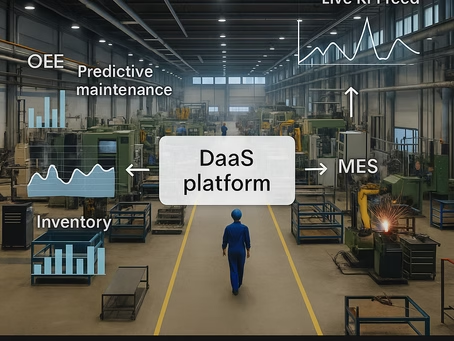
How Data‑as‑a‑Service (DaaS) Helps Manufacturers Scale Smarter by Unlocking Existing Systems
Manufacturing isn’t just about hardware anymore. Real competition is data-driven operations, smarter maintenance, and faster decisions. DaaS arms you with that advantage, without heavy investment or tech overhaul.
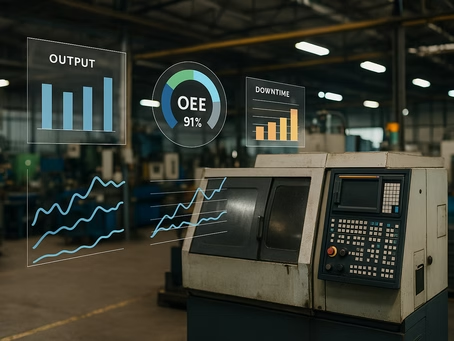
Manufacturing Analytics Without the Hype: Using What You Have to Gain a Competitive Edge
If you run a mid-sized manufacturing business, chances are you’ve already invested a lot into your systems. ERP. MES. CRM. SCADA. Maybe even a warehouse management tool or two. But here’s the problem: most of that investment is gathering dust when it comes to data.
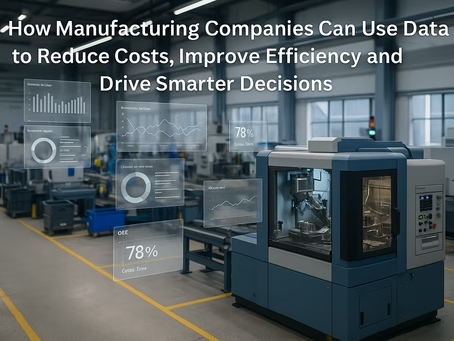
How Manufacturing Companies Can Use Data to Reduce Costs, Improve Efficiency and Drive Smarter Decisions
If you run a mid-sized manufacturing business, chances are your ERP, MES or CRM holds a goldmine of data that’s underused. The issue isn’t about needing more tech. It’s about making your existing systems work harder, so you can operate leaner, make faster decisions and reduce unnecessary cost.
You don’t need a transformation project. You just need to unlock what you already have.
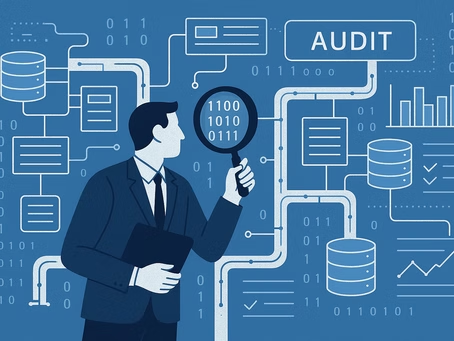
Your Business Is Flying Blind Without a Data and Architecture Audit
If you're running a business today and haven't done a proper data and architecture audit, you're sitting on a ticking time bomb. Most business owners think they have a "pretty good handle" on their systems and data. But when you dig deeper, the cracks start to show. Broken integrations. Duplicated reports. Teams working off conflicting versions of the truth. Missed opportunities buried under bad data.
This isn’t just a tech problem. It’s a business risk. And one that grows more dangerous the longer it’s ignored.
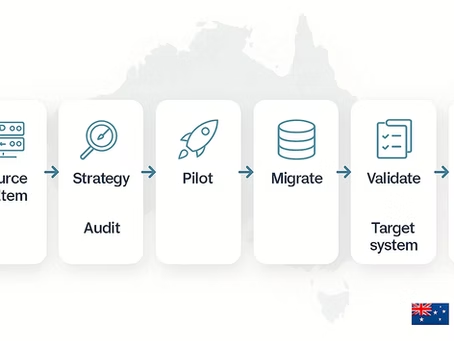
The Brutal Truth About Data Migration: Why Most Projects Fail and How to Get It Right
Data migration sounds simple: move data from one system to another. But it's rarely that clean. It's complex, time-consuming, and often underestimated. Done poorly, it can stall operations, cause reputational damage, or worse, permanently corrupt your data. For Australian businesses, whether you're moving to cloud-native platforms or modernising legacy systems, a well-executed data migration can mean the difference between growth and chaos
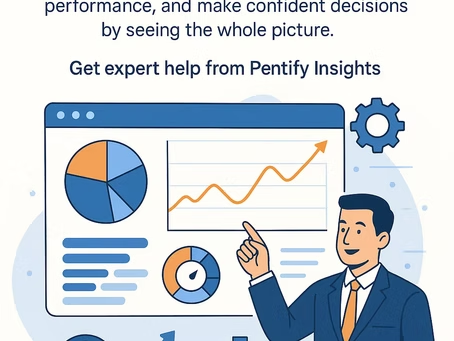
End-to-End Data Visibility: What It Really Means for Your SME and Why You Should Care
If you're an SME business owner, you've likely heard the term "end-to-end data visibility" thrown around. Sounds nice, right? Maybe a bit like a buzzword. But here's the thing: if you're running your business without it, you're operating blind.
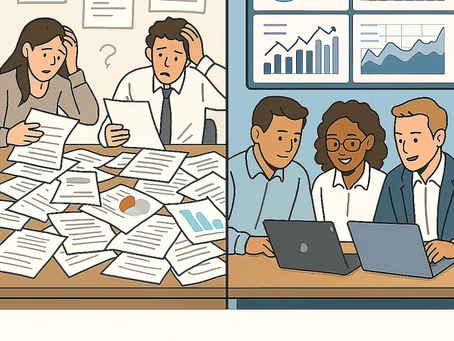
Data Management Solutions for SMEs: Why Your Business is Losing Control and How to Fix It
If you run a small or medium-sized business (SME), you already know this truth: the data is there. Every transaction, every email, every spreadsheet, every client record. But while the data is there, the insights are not. You're drowning in information but starving for clarity. If that sounds familiar, you’re not alone.
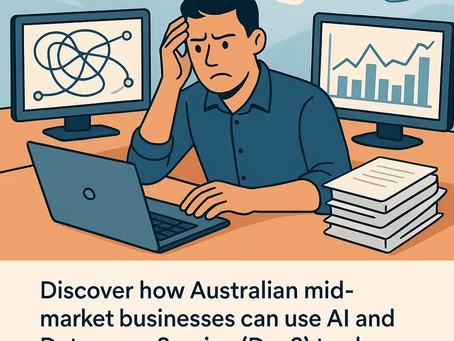
Fixing Data Chaos in Australian Mid-Market Businesses with AI and Data Strategy
Let’s not sugar-coat it. Data should be your biggest asset. But for most mid-sized Australian businesses, it’s a constant pain in the arse.
Manual reporting, dodgy dashboards, messy spreadsheets, and disconnected systems are the norm. Decision-makers are stuck second-guessing reports, IT teams are patching legacy tech with duct tape, and staff are burnt out trying to wrangle numbers they don’t trust.
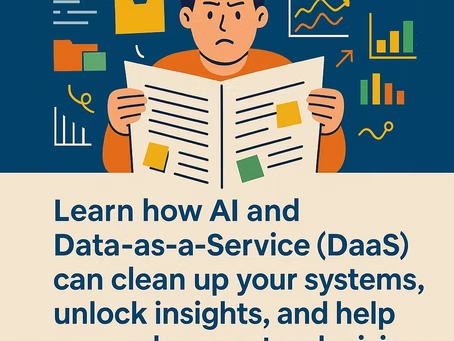
Stop Drowning in Data: How AI Can Help Clean Up Your Messy Systems
Let’s be blunt. Your data is a mess.
Spreadsheets everywhere. Systems that don’t talk to each other. Teams running manual reports that no one trusts. If this sounds familiar, you’re not alone. Most businesses are flying blind, making major decisions based on gut feel, outdated dashboards, or frantic last-minute reconciliations. It’s not just inefficient. It’s risky.
It’s time to fix it.
Testimonial
“The goal was not to be perfect by the end. The goal was to be better today and Pentify nailed it!”
Michelle, Founder of Real Workspace
is your business sitting
on a DATA goldmine?
Many companies collect data, but few turn it into real competitive advantage. In just a few minutes, get a simple and actionable snapshot of your data maturity - no jargon, no complexity, just clear direction to help you scale smarter and faster.